Root Guard
Saw Palmetto · Pumpkin Seed 20:1
The signal: the temples and crown hold their ground. Then density builds.
Hair count
+40%
Shedding reduction
-29%
Why this matters
DHT (dihydrotestosterone) is a hormone produced from testosterone via 5-alpha-reductase. In moderate concentrations, it is neutral. When DHT accumulates around follicles, it miniaturizes them — each growth cycle produces a thinner, shorter strand.
This is the mechanism behind androgenetic alopecia (pattern thinning) — the most prevalent form of hair thinning in both men and women. The temples and crown are the most hormone-sensitive zones.
The pathway
DHT-driven thinning operates at several biological levels. Blocking one leaves the others exposed. The precision is not in doing more — it is in selecting the right form at each level.
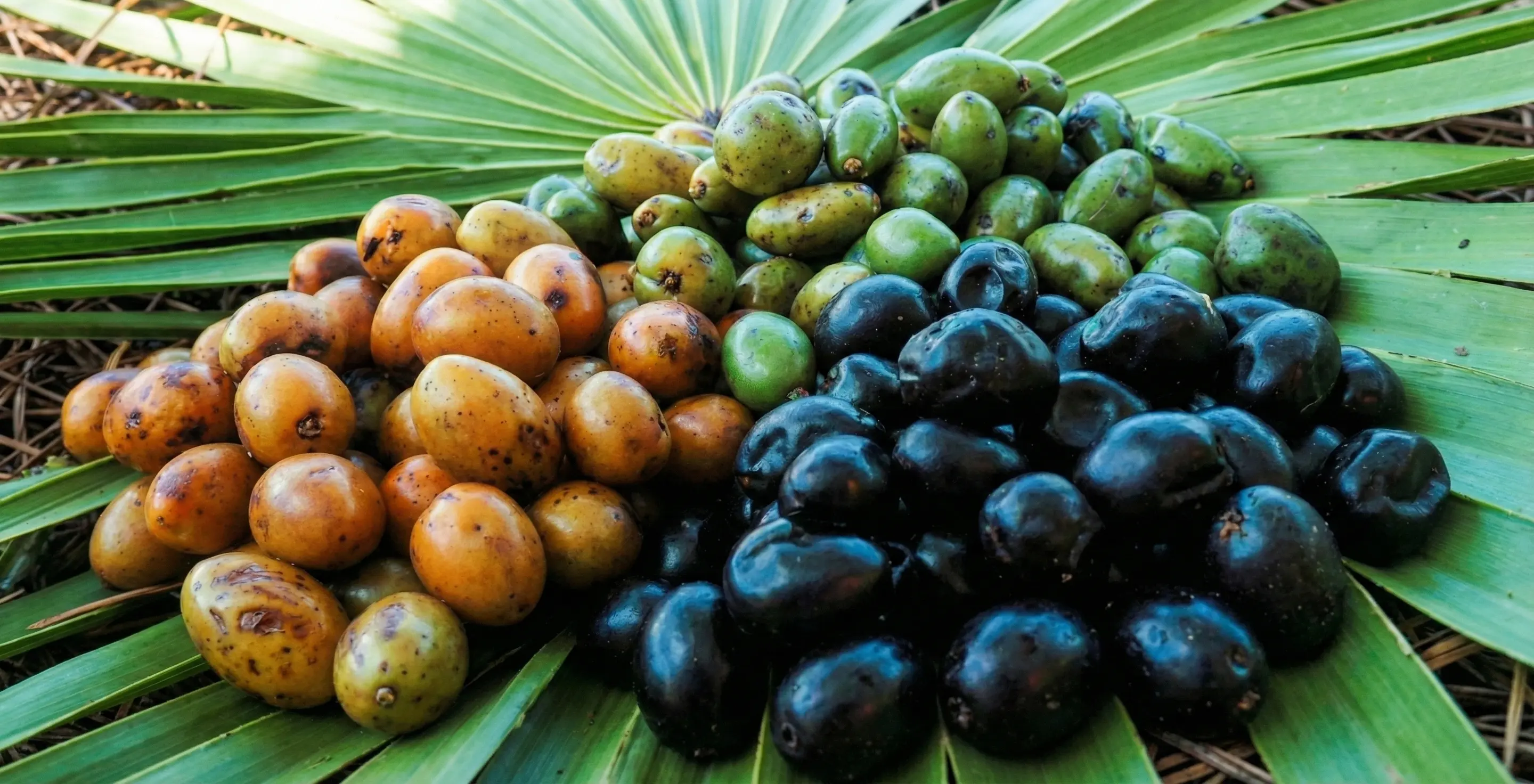
Level 1 — enzyme inhibition. HairBooster uses microencapsulated saw palmetto — a liposterolic extract engineered for stability and bioavailability, not the cheaper raw-powder form. It competitively inhibits 5-alpha-reductase types I and II, the enzymes that convert testosterone into DHT. Among hair-supporting botanicals, saw palmetto has the broadest evidence base. The form was selected to honor that evidence.
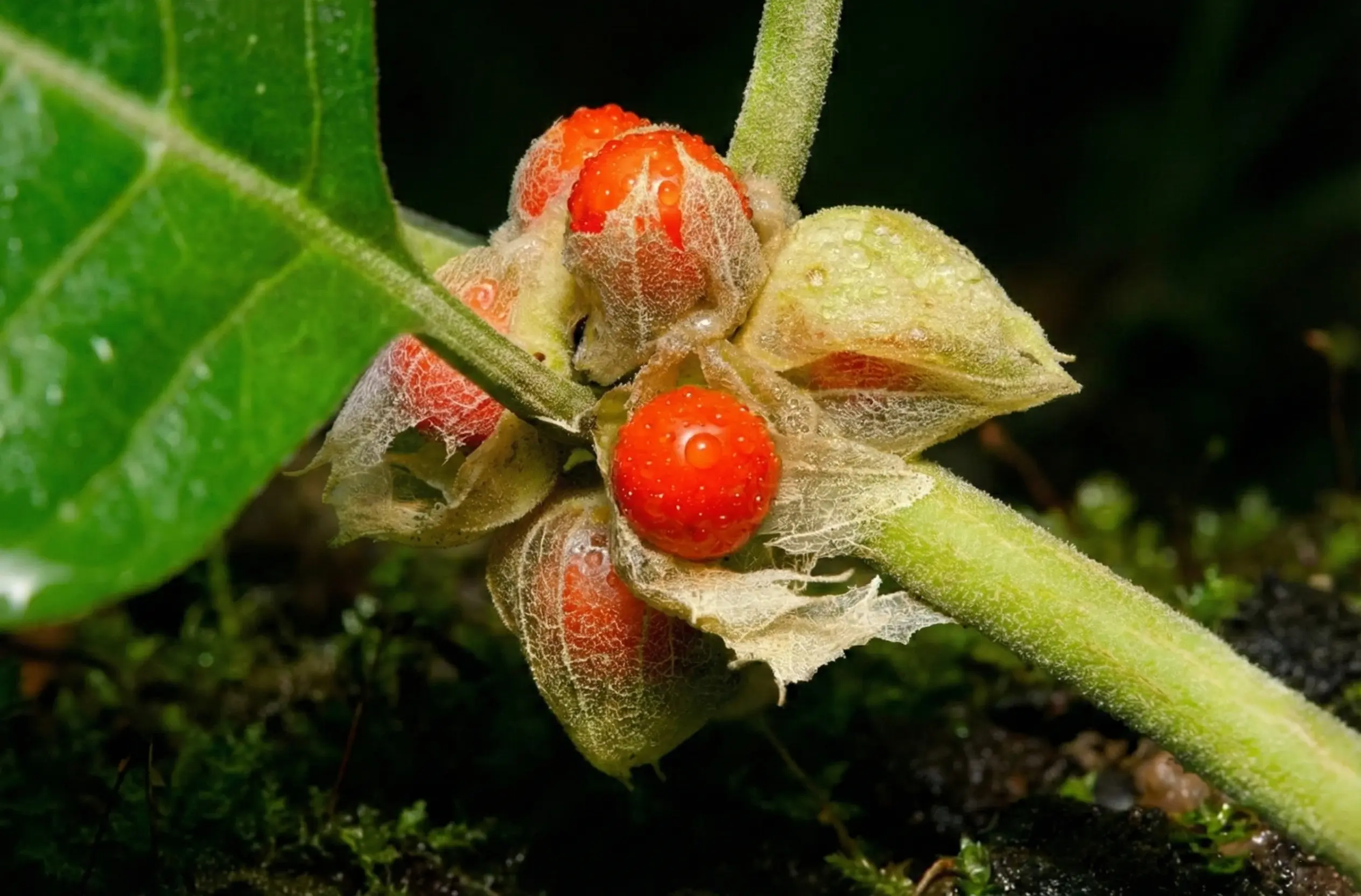
Level 2 — receptor competition. Pumpkin seed extract delivers beta-sitosterol, which competes with DHT at the androgen receptor — preventing binding to follicle cells even when some DHT gets through. A concentrated 20:1 extract was selected because concentration drives phytosterol density, and density drives efficacy.
Level 3 — cofactor support. Zinc modulates 5-alpha-reductase activity as an enzymatic cofactor, adding a mineral-level layer to the system.
What the research shows
Enzyme inhibition: A systematic review of 7 studies (5 RCTs + 2 prospective cohorts) on the saw palmetto pathway found 60% overall improvement, 27% hair count increase, and 83.3% of patients showing increased density. In a 16-week double-blind, placebo-controlled study (n=80), standardised extract reduced hair fall by 29% (P<0.001), increased density by 5.17% (P<0.001), and significantly reduced serum DHT levels.
Receptor competition: Pumpkin seed oil was studied in a 24-week RCT (n=76 men), showing +40% hair count increase versus +10% in the placebo group (P<0.001).
When these mechanisms are combined — targeting the enzyme, the receptor, and the cofactor level — the coverage is more comprehensive than any single agent alone. Each botanical was sourced in the specific extract form and concentration ratio used in the clinical studies, not a label-friendly shortcut.
Cross-pathway synergies
The DHT-defense pathway intersects with inflammation in an important way. Beta-sitosterol from the receptor-competition layer also has anti-inflammatory properties — relevant because chronic micro-inflammation around miniaturising follicles is an emerging factor in pattern thinning.
Vitamin D3 in the formula supports immune modulation around the follicle (T-cell regulation), while the antioxidant stack (tocotrienols, selenium, vitamin C) helps reduce the oxidative environment that accompanies DHT-driven damage. Together, they address not just the hormone, but the inflammatory and oxidative conditions that make it worse.
The supporting cast
Two premium botanicals anchor the system. The supporting ingredients address the conditions that amplify DHT damage.
Zinc — enzymatic cofactor for 5-alpha-reductase modulation, adding mineral-level reinforcement alongside the botanical inhibitors.
Vitamin D3 — immune modulation (T-cell regulation) around the follicle, addressing perifollicular micro-inflammation increasingly linked to pattern thinning.
Tocotrienols + selenium + vitamin C — the 3-compartment antioxidant stack reduces the oxidative environment that accompanies DHT-driven miniaturization, preserving follicle integrity in hormone-sensitive zones.
Inflammation. Oxidation. Hormonal imbalance. A formula that addresses one leaves you exposed. This one addresses all three.
The signal
DHT-related change is gradual — clinical studies showed meaningful hair count shifts at 16–24 weeks.
The early signal is subtle: reduced shedding, increased strand weight. Over 4–6 months, the temples and crown — the most hormone-sensitive zones — show the most visible density gain. Three levels of defense, operating in concert.
References
- Evron E, et al. Natural Hair Supplement: Friend or Foe? Saw Palmetto, a Systematic Review in Alopecia. Skin Appendage Disord. 2020;6(6):329–337. PMID: 33313047
- Sudeep HV, et al. Oral and Topical Administration of a Standardized Saw Palmetto Oil Reduces Hair Fall and Improves the Hair Growth in Androgenetic Alopecia Subjects. Clin Cosmet Investig Dermatol. 2023;16:3251–3266. PMID: 38021422
- Cho YH, et al. Effect of pumpkin seed oil on hair growth in men with androgenetic alopecia: a randomized, double-blind, placebo-controlled trial. Evid Based Complement Alternat Med. 2014;2014:549721. PMID: 24864154
Three deliberately layered levels of defense — enzyme, receptor, cofactor — each using a precision-chosen extract form. The temples and crown get the coverage they need.