Stress Shield
Ashwagandha · Mixed Tocotrienols
The signal: cortisol drops. Sleep sharpens. The scalp environment follows.
Serum cortisol
-28%
Hair count
+34.5%
Why this matters
Deadlines, long hours, disrupted sleep — modern professional life sustains chronic cortisol. The stress hormone was engineered for short bursts, not the persistent hum of urban pressure.
Elevated cortisol sends a premature catagen signal to follicles. The result: telogen effluvium — diffuse shedding triggered by sustained stress, not genetics.
Cortisol also elevates reactive oxygen species (ROS), which degrade lipid membranes around follicle cells. Addressing cortisol without addressing its oxidative residue leaves half the architecture exposed.
The pathway
Two connected fronts. The quality of each ingredient determines whether they function.
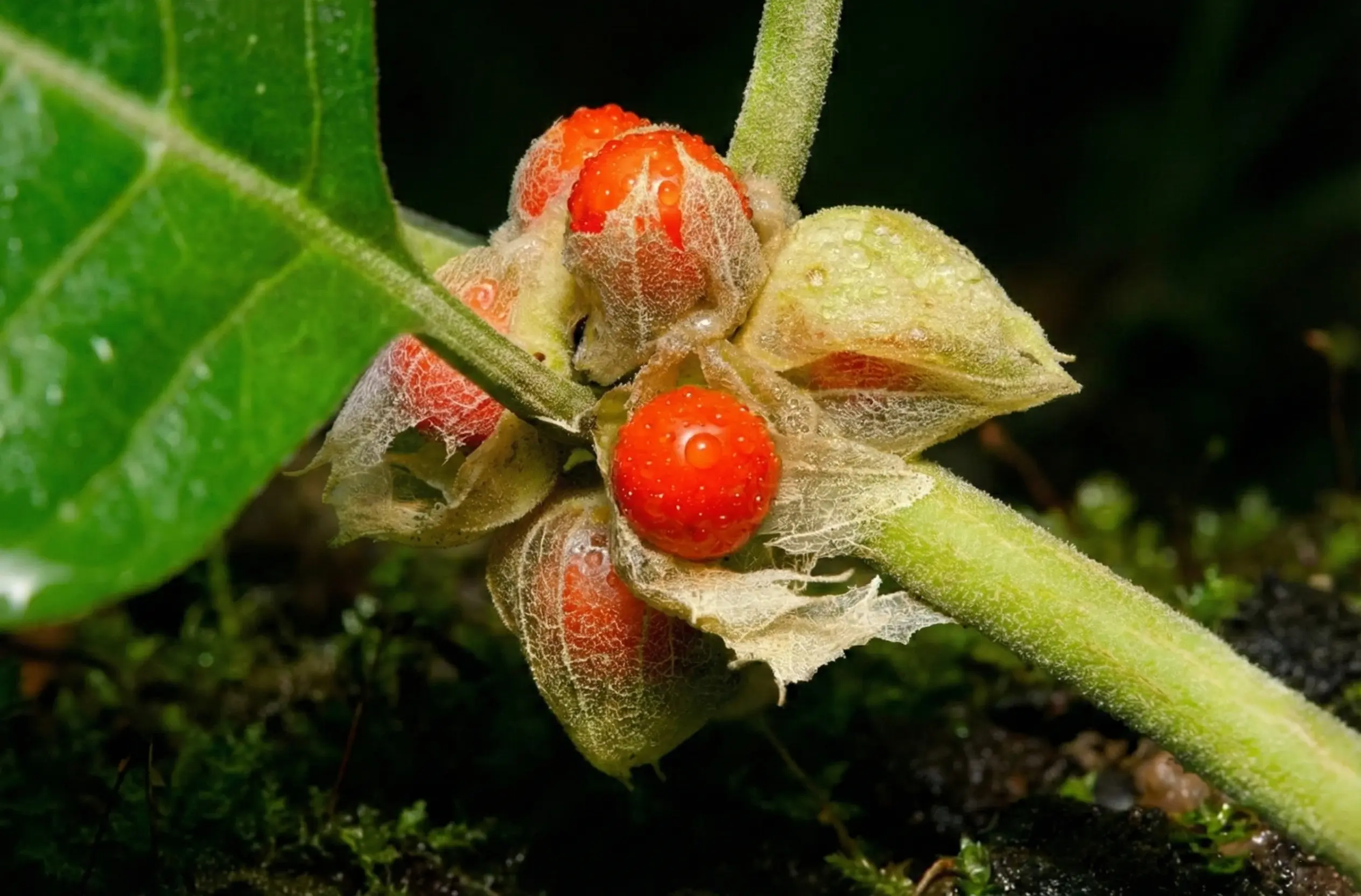
Front one: cortisol regulation. Not all ashwagandha is equivalent. HairBooster uses a full-spectrum root extract — the same high-concentration form validated in clinical cortisol research. Generic powder is a different ingredient entirely. This extract modulates the HPA axis, recalibrating the stress response at its source. Fewer cortisol spikes. Fewer follicles forced into premature rest.
Front two: 3-compartment antioxidant defense. Stress-driven oxidative damage hits multiple cellular compartments — a single antioxidant leaves gaps. HairBooster layers three deliberately paired tiers: mixed tocotrienols protect lipid membranes. Vitamin C covers the aqueous compartment. Selenium supports enzymatic defense via glutathione peroxidase. Three compartments, three specialized forms.
The two fronts reinforce each other by design. Cortisol reduction lowers the ROS burden. The antioxidant stack neutralizes whatever oxidative load remains.
What the research shows
Cortisol pathway: In a 60-day double-blind, placebo-controlled study (n=64), ashwagandha root extract produced a 27.9% reduction in serum cortisol (P=0.0006), 44% reduction in perceived stress, and 71.6% improvement on the DASS stress subscale. A confirmatory study (n=60) showed 23% cortisol reduction.
Antioxidant pathway: In an 8-month double-blind, placebo-controlled study (n=38), mixed tocotrienols produced +34.5% hair count increase versus -0.1% in the placebo group (P<0.05). Lipid peroxidation biomarkers were also reduced — confirming the oxidative-defense mechanism.
A transparency note: the cortisol studies measured stress markers, not hair directly. The connection — chronic cortisol drives telogen effluvium — is well-established in dermatological literature, but one inferential step is involved. The data is presented in full.
Cross-pathway synergies
The stress-shield pathway feeds directly into growth activation. Cortisol-driven premature catagen is one of the main reasons follicles exit the growth phase too early — by calming the HPA axis, this pathway clears the way for the growth-engine pathway to work more effectively.
The antioxidant stack also supports the DHT-defense pathway: oxidative stress amplifies the damage that DHT inflicts on miniaturising follicles, so reducing ROS helps preserve follicle integrity even in hormone-sensitive areas.
The supporting cast
Two actives handle the primary mechanisms. Each supporting ingredient closes a specific gap.
Selenium — powers the enzymatic arm of antioxidant defense via glutathione peroxidase (GPx). Tocotrienols guard the lipid layer. Selenium guards the enzymatic one. Different compartments, different chemistry.
Vitamin C — covers the aqueous compartment, neutralizing water-soluble free radicals that tocotrienols cannot reach. Three antioxidants is not redundancy — it is coverage.
Vitamin D3 — supports immune modulation around the follicle (T-cell regulation), reducing the inflammatory signal that stress and oxidative damage amplify.
Three tiers. No gaps. Designed, not compiled.
The signal
The cortisol axis responds first: sleep quality, baseline calm, reduced perceived stress. Clinical reductions were significant at 60 days.
Hair count from the antioxidant component: +15.2% at 4 months, +34.5% at 8 months. The protocol compounds — precision-sourced ingredients, cumulative signal.
References
- Chandrasekhar K, et al. A prospective, randomized double-blind, placebo-controlled study of safety and efficacy of a high-concentration full-spectrum extract of ashwagandha root in reducing stress and anxiety in adults. Indian J Psychol Med. 2012;34(3):255–262. PMID: 23439798
- Lopresti AL, et al. An investigation into the stress-relieving and pharmacological effects of an ashwagandha extract. Medicine. 2019;98(37):e17186. PMID: 31517876
- Beoy LA, et al. Effects of tocotrienol supplementation on hair growth in human volunteers. Trop Life Sci Res. 2010;21(2):91–99. PMID: 24575202
Calms the cortisol cascade that forces follicles into early rest, while a 3-compartment antioxidant system catches the oxidative fallout stress leaves behind. Two fronts, zero gaps.